Maggie’s Story

29 Jul 2026

The following letter shares the story of a child who has passed away. It contains themes of illness, grief, and loss. We encourage readers to take care while reading.

What follows is a letter from Maggie’s mum, written with honesty and courage, and in memory of her daughter.
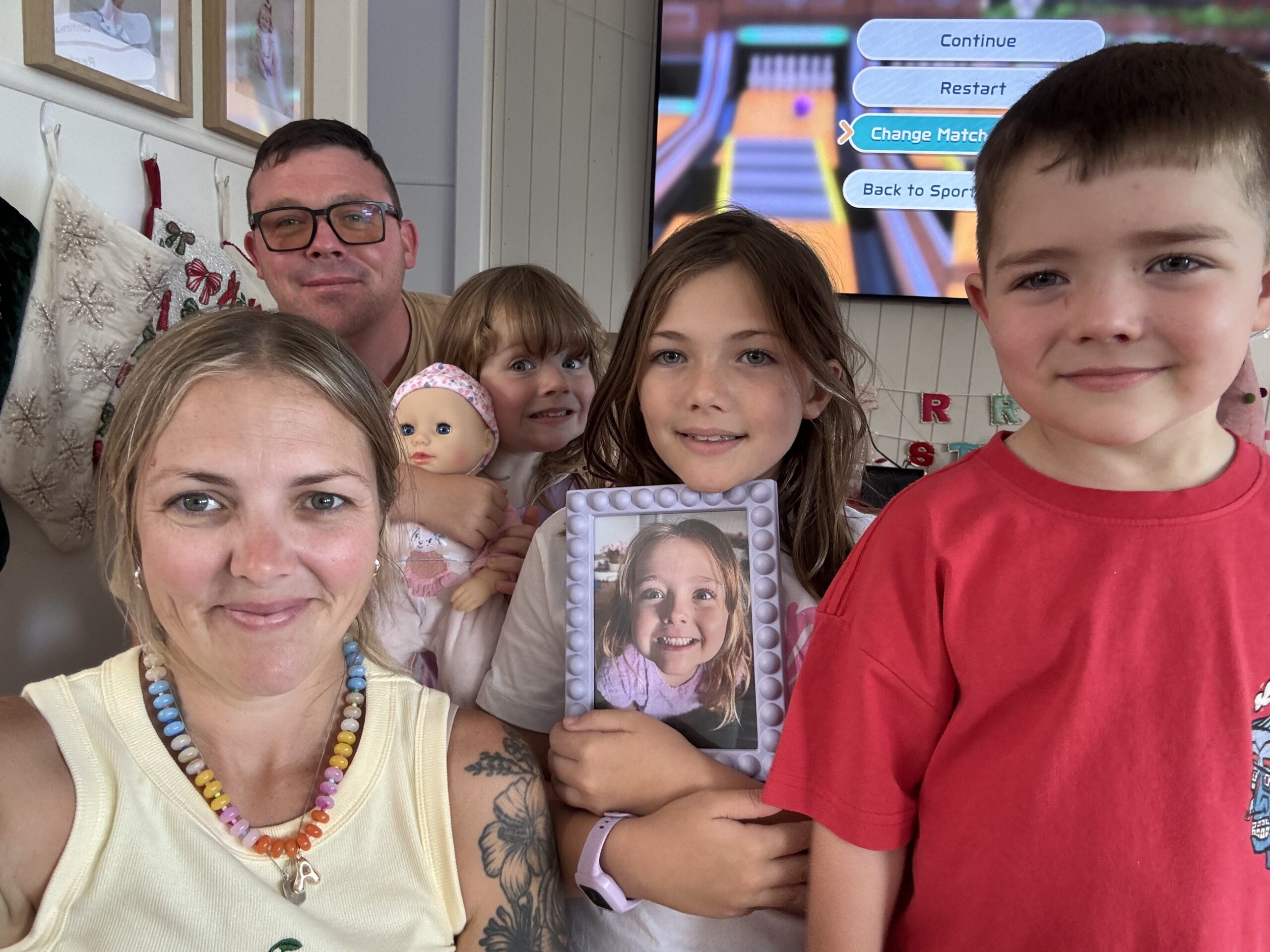
Jones Family
Our daughter Maggie was sunshine. Not in a poetic way, in a practical, everyday way. She made rooms lighter. She made hard things softer. She noticed people. She loved deeply. She laughed loudly. She had a sharp, wicked sense of humour and a heart that was far bigger than her little body. She had a quiet confidence about her, strong-willed, empathetic, and sure of who she was, even when everything around her was uncertain.

She was the bravest, kindest, most resilient little girl. Not because she had to be, but because that was simply who she was. She faced things no child should ever face and met them with courage, curiosity, and an intelligence that constantly surprised us. She understood more than people realised, asked thoughtful questions, and took in the world with a depth well beyond her years.

She loved her siblings Frankie, Ziggy and Willa, with her whole being. She loved singing and dancing and learning new things. She loved the small stuff. Even when her world became hospitals and needles and waiting rooms, she was still Maggie. Still cheeky. Still curious. Still finding ways to make us laugh when nothing was funny.

In December 2022, when she was four, her body stopped doing something it needed to do to survive. Her bone marrow stopped producing red blood cells. There was no warning. No slow lead-up. Just suddenly, this was our life now.

What followed was a year and a half of living in limbo. Appointments. Tests. Medications. Hope. Disappointment. Repeat. Month after month, Maggie received blood transfusions that quite literally kept her alive while doctors tried to work out why this was happening. We lived inside uncertainty, learning how to function while holding our breath.

The answers came because things got worse, not better. When her little brother Ziggy also became unwell, further genetic testing finally told us what we were dealing with. Both children had a rare genetic disease called ADA2 Deficiency. For Maggie, it had caused her bone marrow to completely fail. The only possible cure was a bone marrow transplant. There is nothing steady about handing your child over for something like that. Maggie underwent her transplant on 13 March 2025.

The chemotherapy was brutal. It stripped her tiny body down to survival mode. And still, she showed up. Day after day. With that same grin. That same stubborn determination. She endured more than most adults ever will. Against the odds, the transplant worked. She was cured of ADA2 Deficiency. We let ourselves believe, just for a moment, that the worst was behind us. But it wasn’t.

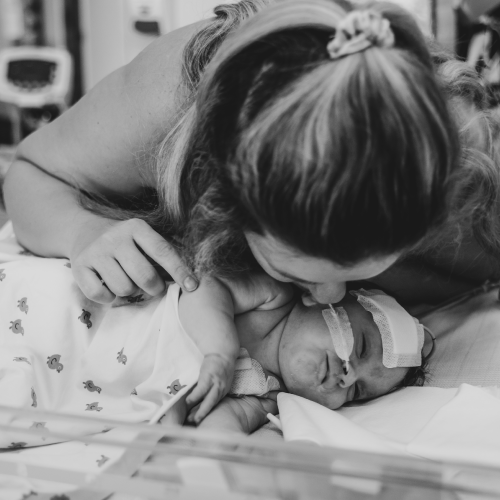
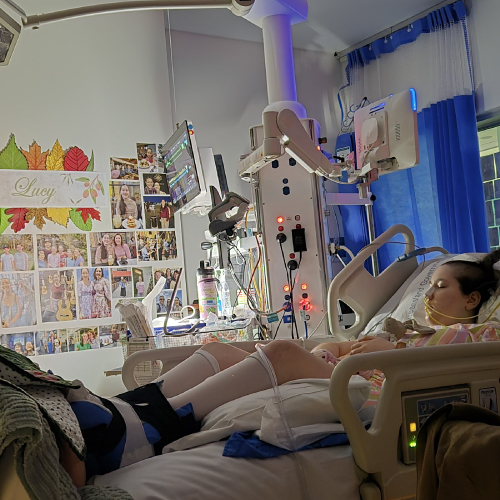
While she was still in early recovery, Maggie contracted Adenovirus. With no immune system, it moved fast. Faster than we could keep up with. She was taken to PICU. Intubated. Placed on dialysis. Everything became alarms and machines and decisions no parent should ever have to make. After a brief period off the ventilator, Maggie suffered a catastrophic brain bleed. She died on 12 May 2025. She was six.
There is no language that fully explains what comes after that.

But throughout all of this, Ronald McDonald House South East Queensland was the place that kept us standing. It wasn’t just somewhere to sleep. It was where life could keep happening in small, necessary ways while everything else was falling apart. It meant we could be near Maggie, always. It meant we didn’t have to solve problems our brains no longer had room for. When your child is fighting for their life, survival takes everything. You don’t have space to think about food, accommodation, logistics, tomorrow. Ronald McDonald House South East Queensland quietly removed those questions. They carried the weight we couldn’t. That gave us the ability to keep showing up as her parents. It also meant our family didn’t completely fracture under the weight of it all. It gave Maggie’s siblings space to still be her brother and sisters, not visitors passing through a hospital room. It gave us moments that felt almost normal, sitting together, breathing, gathering ourselves, so that when we walked back into the hospital, we could keep going.

Alongside that, the Children’s Hospital Foundation supported us inside the hospital in ways that were just as essential. We were rushed to Queensland Children’s Hospital more times than I can count, often with no notice, and they helped when we arrived with nothing but urgency and fear. While Maggie was in BMT, ICU and later palliative care, we also had our three other children with us. When conversations became too heavy, when things were overwhelming, or when we just needed a minute to breathe, the Children’s Hospital Foundation stepped in to care for our kids, so they didn’t have to sit in rooms that were far too much for them. Volunteers came into Maggie’s room, reading stories, checking in, bringing small moments of normal. They gave her things to do while she was in isolation, helping her feel like a child, not just a patient. Music therapy was one of those things she swore she hated… until she didn’t. Kidzone was a lifeline for our other children, it gave them somewhere else to be, somewhere lighter, where they could play, laugh, and just be kids for a while. Without those supports, the weight on our family would have been unbearable.

And they’re still part of our story. Ziggy’s care continues. This journey didn’t end when Maggie died. Families like ours don’t get neat endings.
Maggie Moo

Joining All Night Long

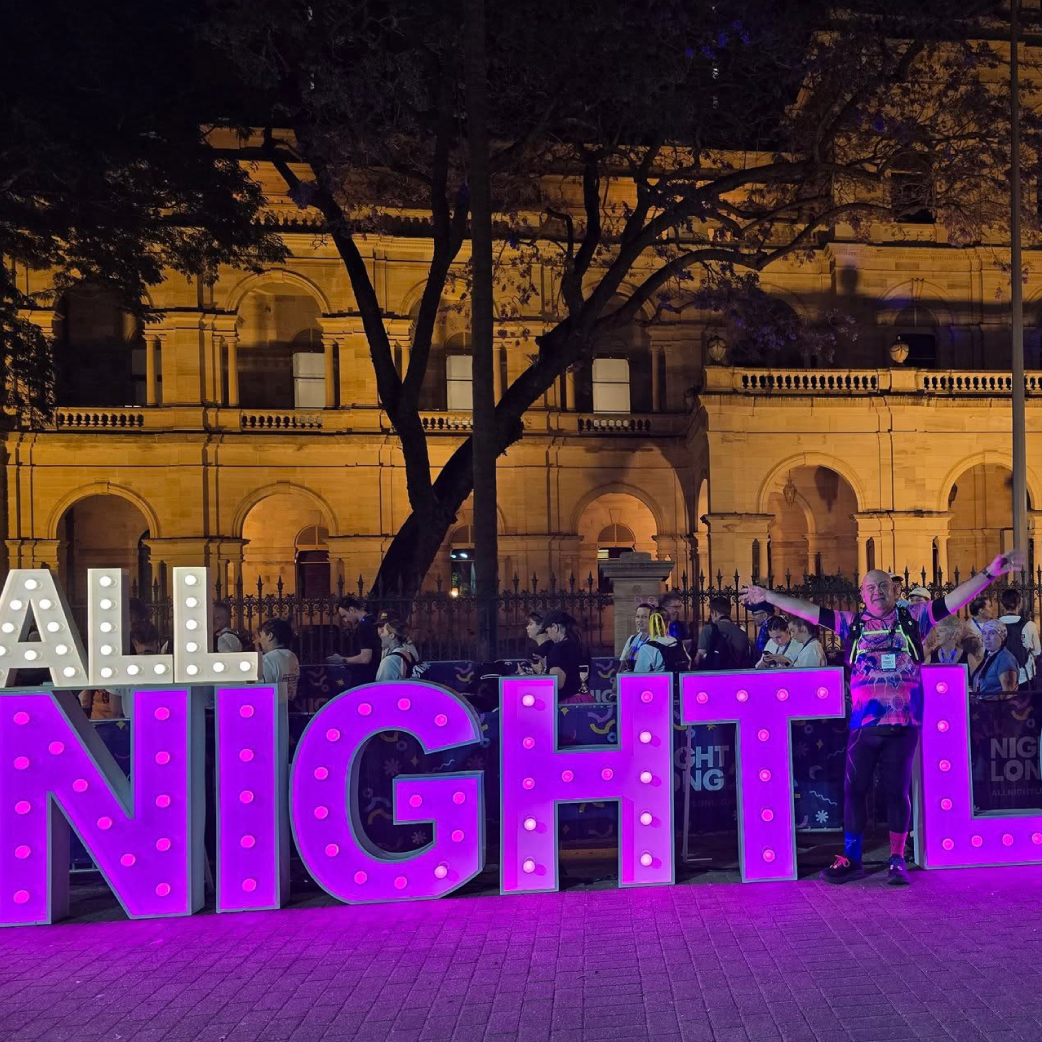
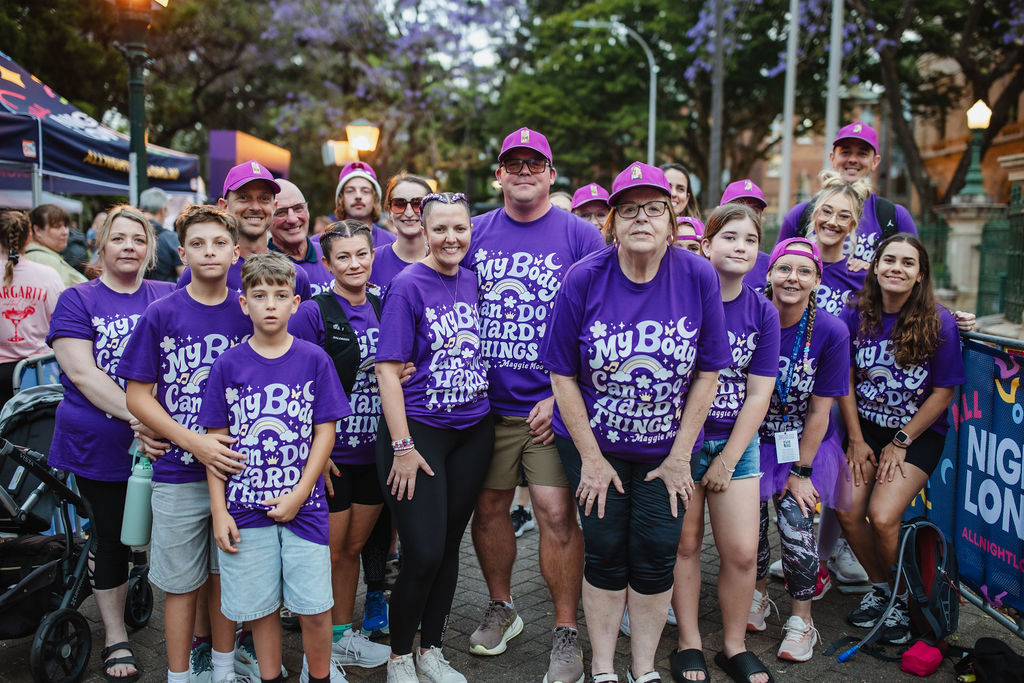
We walked the All Night Long Walk in Maggie’s honour because this life doesn’t pause for grief. Because families are living this right now. Hospital nights. Impossible conversations. Days that feel endless. We walked because this is what that world looks like, tired bodies, heavy hearts, and no option but to keep going.

It was 42 kilometres. By kilometre 25, everything hurt. Your body rebels. Your mind spirals. But no one quit. Because we’ve watched children like Maggie keep going through pain they never chose. Children who don’t get to opt out. Families who don’t get a break. Walking one hard night felt like a small reflection of a much harder reality.

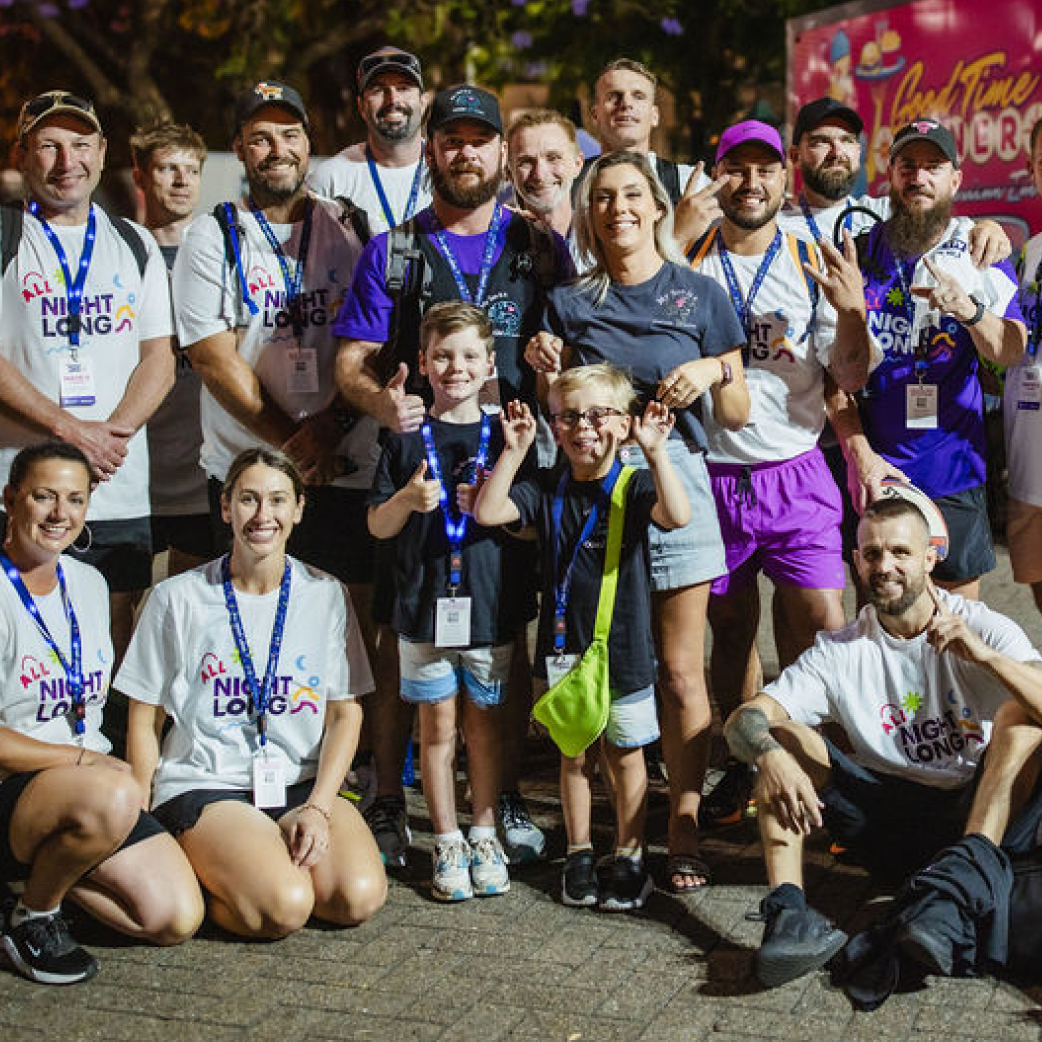
What made the night powerful wasn’t the distance. It was the people. Families who didn’t need explanations. Who understood the silence. Who carried their own grief, fear, hope and exhaustion. There’s a comfort in not having to translate your pain.

The money raised matters, not symbolically, but practically. It keeps families close to their sick children. It keeps doors open. It keeps places like Ronald McDonald House doing the quiet, life-holding work that so many families depend on.

For us, this walk wasn’t about inspiration. It was about truth. About honouring Maggie without softening the edges. About giving back to a place that held us together when we were breaking. About standing alongside families still walking this road.

We’ll walk again in 2026. And the year after that. Not because it gets easier, but because this work matters. Because families like ours don’t disappear when the fundraiser ends. Because Ronald McDonald House needs to keep existing, quietly, practically, and relentlessly for families who are right now living their worst days. And because inside the hospital, the Children’s Hospital Foundation is doing the same work in different ways, holding children, siblings and parents through moments that are too heavy to carry alone. Being part of something that genuinely changes lives is how we honour Maggie. And it’s something we’ll keep showing up for.

Stories like Maggie's remind us why events like All Night Long matter so deeply. If your family has been supported by Ronald McDonald House South East Queensland or the Children’s Hospital Foundation, we invite you to share your story too.

You can register for All Night Long today. Whether you walk, volunteer, or form a team, every step makes a difference.